Managing hundreds of articles, PDFs, and links for research projects, thesis work, or just keeping your reading organized is a real headache. Zotero solves this with a free, open source tool that works like an intelligent archive, saving not just links but full documents, notes, and citations, organizing them automatically. Just two months after the last release, version 9 arrives with features designed to make reading and document management significantly smoother.
Listen to Your Documents Instead of Reading Them
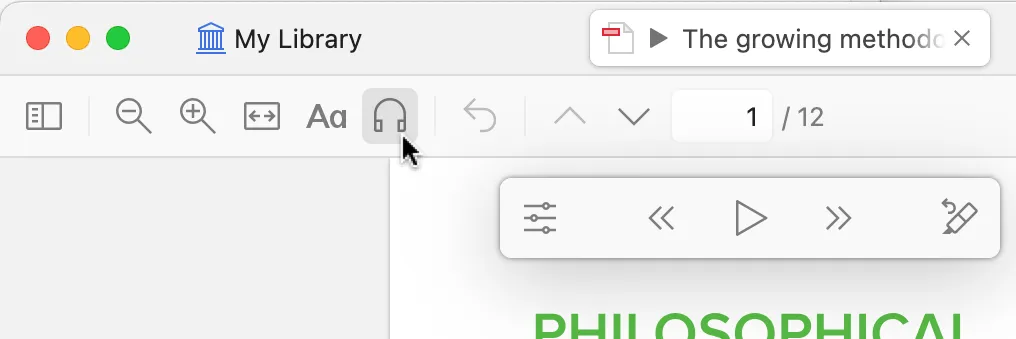
The standout feature is undoubtedly Read Aloud. Until now, reviewing a saved PDF or article meant reading it on screen, risking eye strain. With the March 2026 update, Zotero lets you listen to documents in natural, high-quality voices. This isn’t the robotic text-to-speech of old, but actual reading that respects punctuation and text rhythm. You can skip paragraphs, pause to annotate a specific passage, and pick up exactly where you left off, with your position saved and synced across devices. For now, this is desktop-only on Windows, macOS, and Linux, with mobile support coming later.
Writing and Collaboration Get Easier
Beyond playback, the writing and organization experience has been refined. Academic writers will appreciate the new Add Annotation button in Word and Google Docs plugins. It lets you insert notes directly from PDFs into your text and automatically generates the correct bibliography without manual copy-paste work. Shared library management is also more transparent now: you can see who added or edited a document, useful for group work and research teams.

Performance Optimized, Access Simplified
Performance has been significantly optimized. The software launches using minimal memory, and file syncing puts less strain on your connection and storage. On Mac, the file copying system leverages native OS features to avoid taking up double the space during operations. Login has also been streamlined, relying on your default browser to handle credentials, making it easier to use with external password managers.
These updates confirm that Zotero isn’t just a static archive, but a living tool evolving quickly to match how people actually read and study. If you haven’t tried it, it’s a solid, free alternative to paid reference management services, and crucially, your data stays under your control.
 Mastodon
 Telegram
 Bluesky
 RSS
RSS