Trisquel isn’t a distribution for everyone. It’s one of the rare GNU/Linux distributions approved by the Free Software Foundation because it excludes every non-free component: no proprietary drivers, no closed-source firmware, no exceptions for convenience. That choice comes with a hardware compatibility cost, and it’s entirely deliberate.
Version 12.0, codenamed Ecne from Irish mythology, completes the transition to Ubuntu 24.04 LTS as its base, with support guaranteed through 2029. The kernel is Linux-libre 6.8.x, the variant stripped of all binary blobs present in the vanilla kernel.

What’s New in Ecne
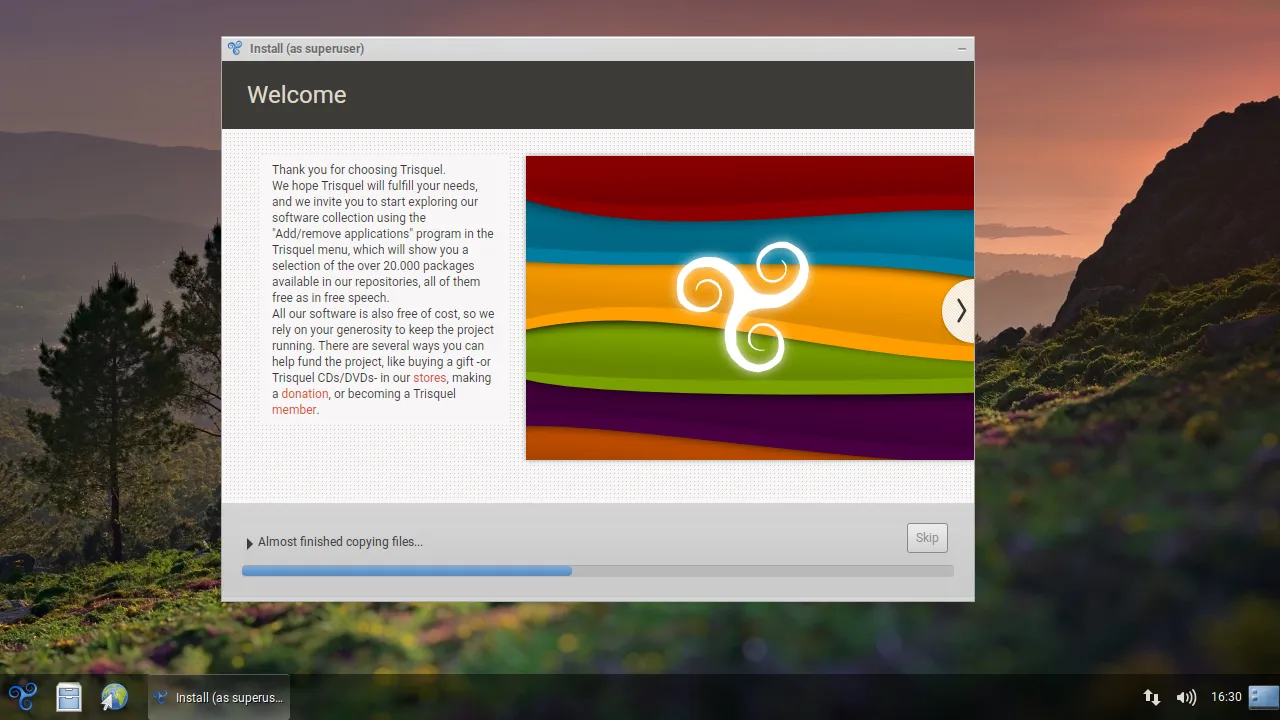
The most significant technical change concerns package management: Trisquel 12.0 adopts APT 3.0 with full support for the deb822 repository format, rolled out across all installation paths, from the graphical Ubiquity installer to text-based network installation. On the kernel side, the team worked to make changes more modular, reducing issues in the udeb components used during installation, always a delicate process for a distribution that modifies the upstream kernel deeply.
For browsers, Ecne adds GNU IceCat and ungoogled-chromium to the existing Abrowser offering: three options that meet the project’s free software requirements. The backports repositories keep applications like LibreOffice, Inkscape, Nextcloud Desktop, Kdenlive, and yt-dlp current.
A curious detail: Ubuntu dropped LXDE from all its versions, and Trisquel Mini, which uses LXDE, has effectively become one of the few environments where that desktop receives active maintenance. It happened by chance, but it matters for anyone running older hardware.

Available Editions
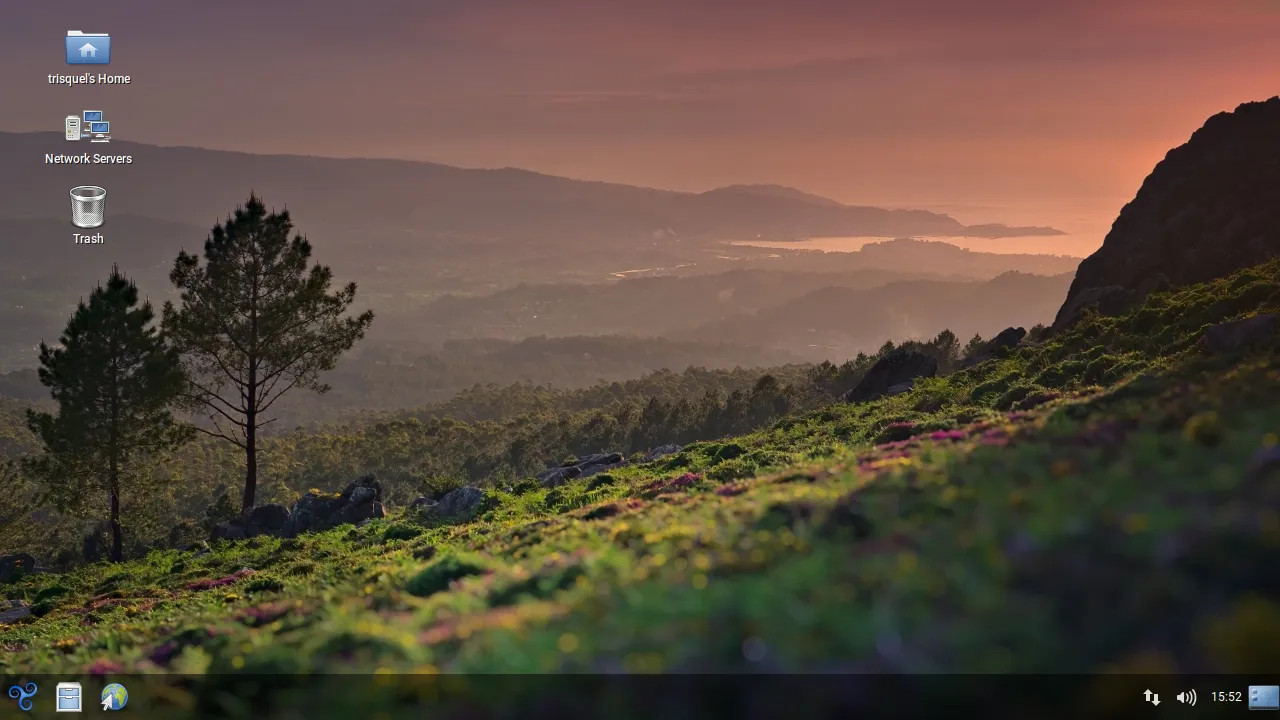
Trisquel 12.0 comes in five variants: the main edition with MATE 1.26, Triskel with KDE Plasma 5.27, Trisquel Mini with LXDE, a Sugar version for educational contexts, and a netinstall image for custom installations. Supported architectures are amd64, ppc64el, arm64, and armhf.

 Mastodon
 Telegram
 Bluesky
 RSS
RSS