KaOS 2026.03 is out, and unlike typical distribution updates, this release brings structural changes that matter most under the hood, even if users won’t notice them immediately.
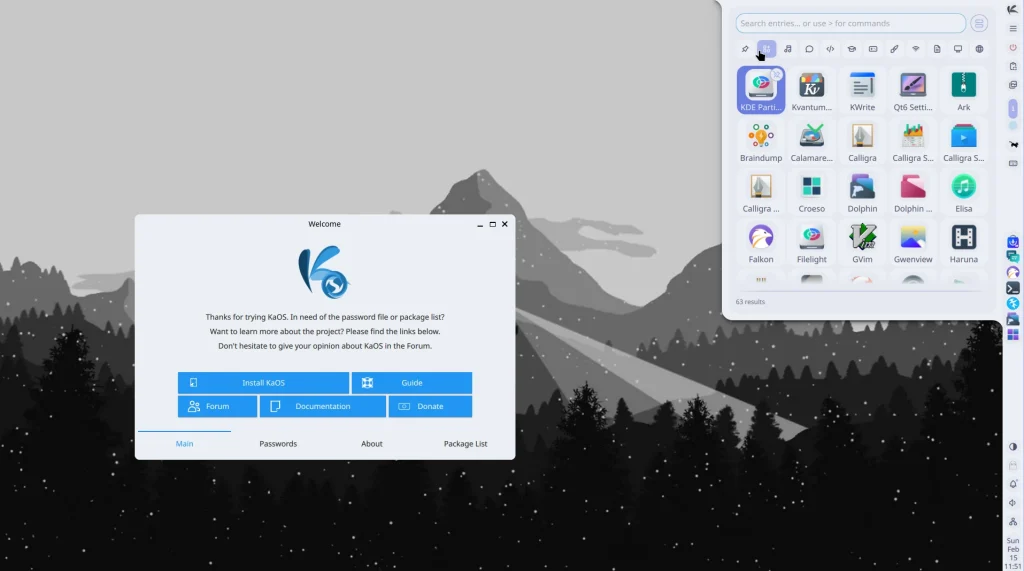
The biggest shift involves the boot chain. systemd-boot is no longer the default bootloader, replaced by Limine, which was already present in the live ISO for the previous release and now extends to the full installation process. Initramfs generation changes too: mkinitcpio, tightly coupled to systemd workflows, gets swapped out for Dracut with a custom module to handle live environment layering. ISO creation no longer relies on systemd components.
According to the team, these changes lay the technical groundwork needed to evaluate a future migration to Dinit as an alternative init system. systemd remains in the system for now, but deep dependency points are being progressively removed.
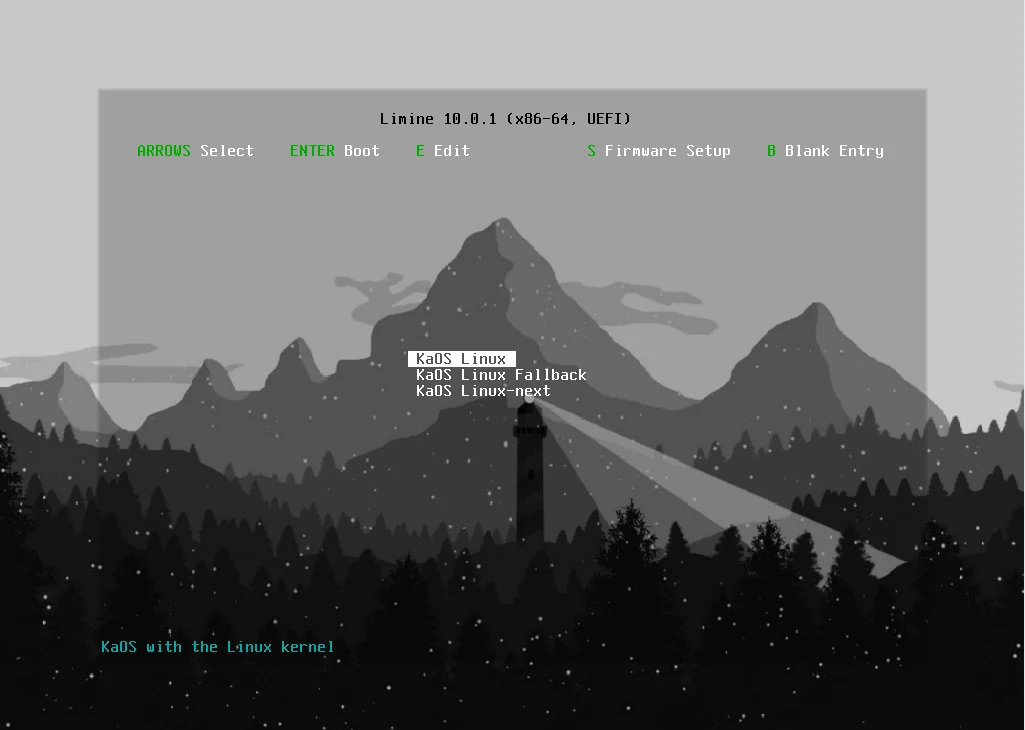
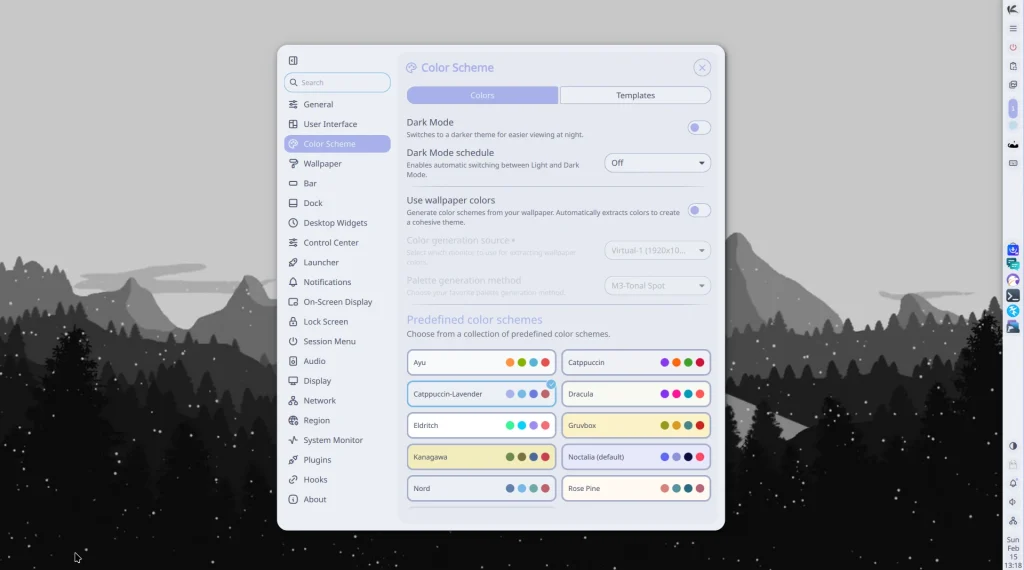
KaOS 2026.03 solidifies the choice already made in February: Plasma and KWin are out of the ISO, still available in repositories but no longer installed by default. The default environment is now Niri 25.11, a Wayland compositor with smooth tiling, paired with Noctalia 4.7 shell, all built on Qt 6.11.0. Konsole terminal is replaced by Kitty. The system remains strictly Qt-only, with no GTK components.
Calamares, the installer, now works fully with pure Wayland environments and expands automatic partition support for common filesystems.
It’s worth understanding why KaOS is doing all this. Recent versions of Plasma increasingly demand tight integration with systemd. For a distribution wanting to keep the freedom to choose its init system, keeping Plasma meant accepting a growing constraint. Choosing to explore alternatives, even at the cost of abandoning a twelve-year-old identity, is consistent with that philosophy.
For anyone using KaOS or following the Linux world closely, this release marks a point of no return in the project’s trajectory.


 Mastodon
 Telegram
 Bluesky
 RSS
RSS